At a time when the mainstream internet is largely shaped by the centralisation of platforms, data extractivism and the concentration of technological power, this issue offers a critical and multifaceted perspective on attempts to break free from these constraints. It examines the true scope of this drive for emancipation: what does it actually mean to break free from the mainstream internet? What organisational, technical and political forms do these alternatives take? Are they in conflict, coexisting or in tension with existing infrastructures?
The articles in this special issue explore these questions through a variety of case studies. From the ActivityPub protocol and the dynamics of platform federation, to campaigns for European digital sovereignty, via an analysis of the complex relationship between Wikimedia and Google, the contributions shed light on the dynamics of cooperation, appropriation and resistance that shape these ecosystems. Other texts examine underground markets and parallel digital ecosystems, as well as the promise of ‘de-Googling’ education through initiatives such as PeerTube. A critical reflection also considers what does or does not constitute the genuinely alternative nature of alternative social media.
This launch represents a key moment for dialogue and collective reflection. It offers an opportunity to discover research on digital alternatives and to fuel the discussion on the future of these infrastructures. At a time when debates on sovereignty, the commons and technological governance are taking an increasingly prominent place in the public sphere, this new issue on Alternative(s) Internet(s) provides essential insights for rethinking the digital landscape.

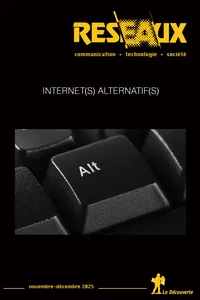
Alternative Internet(s): Breaking free from the dominant internet?
Derniers articles
- Alternative Internet(s): Breaking free from the dominant internet?
- Summer school on digital sovereignty in a Francophone context Summer
- Shaping Europe’s Digital Sovereignty: ClaimSov’s Role in European Commission JRC Policy Briefs
- Podcast: Digital Sovereignty – Julia Pohle on the re:publicast Special
- Podcast: New German AI Factory – More Computing Power for Industry