
Publications
-
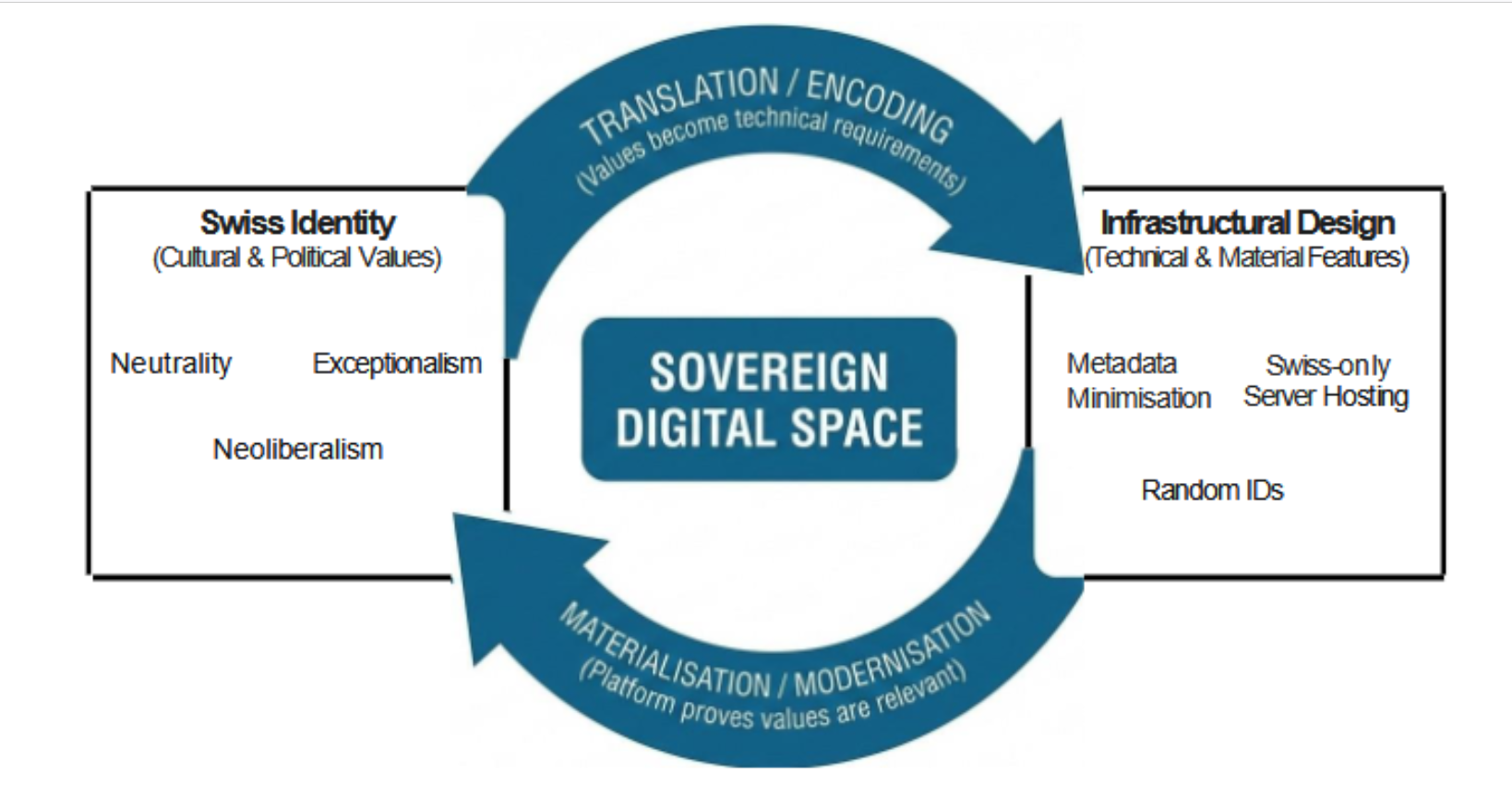
Switzerland by Design: The Co-Shaping of Secure Messaging and National Identity Among Geopolitical Controversies
In a new article published online in Geopolitics (Taylor & Francis, 2026), Samuele Fratini and Francesca Musiani (both CIS-CNRS) examine how Threema, the Swiss secure messaging platform, participates in the co-production of Swiss national identity amid rising digital geopolitics. Combining document analysis and semi-structured interviews, the authors show how Threema’s technical architecture, randomised user IDs,…
-
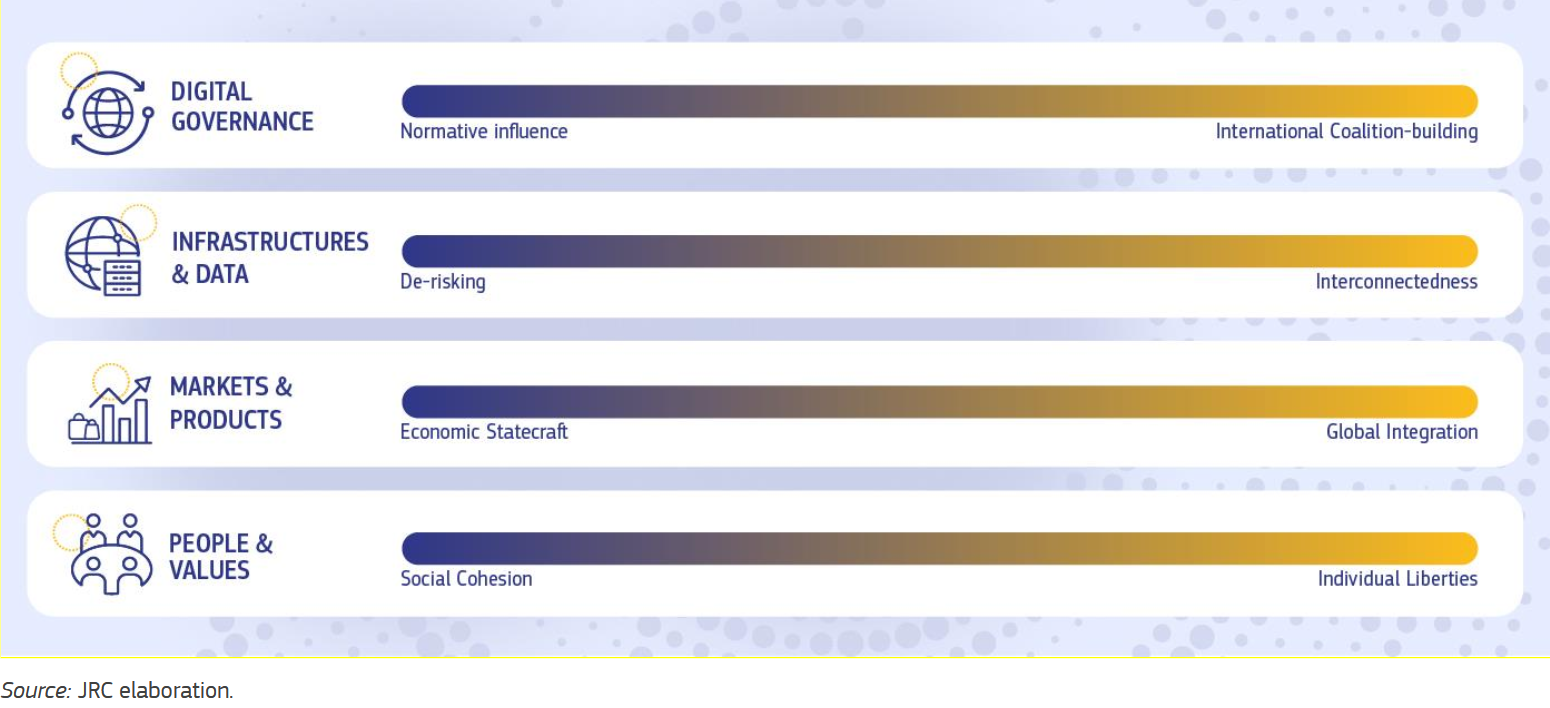
Digital Sovereignty as a Geopolitical Strategy
In a new Science for Policy Brief from the European Commission’s Joint Research Centre (JRC), Samuele Fratini, Dr. Julia Pohle, Diletta Di Marco, Sara Thabit Gonzalez, and Gianluca Sgueo examine digital sovereignty as a geopolitical strategy for the EU in an era of weaponised interdependence and rising strategic competition over technological control. The brief develops…
-
Exporting the “European Third Way”: Strategic Narratives for a Value-Based Digital Order
In a newly published article in European Politics and Society, Leo Thüer, Dr. Julia Pohle, Milan Schröder, and Alissa Steer (WZB Berlin Social Science Center) examine the European Commission’s strategic push to define a distinct « European Third Way » in the global digital landscape. This narrative serves as a normative alternative to the dominant digital models…
-
A political economy of bans against Chinese technology
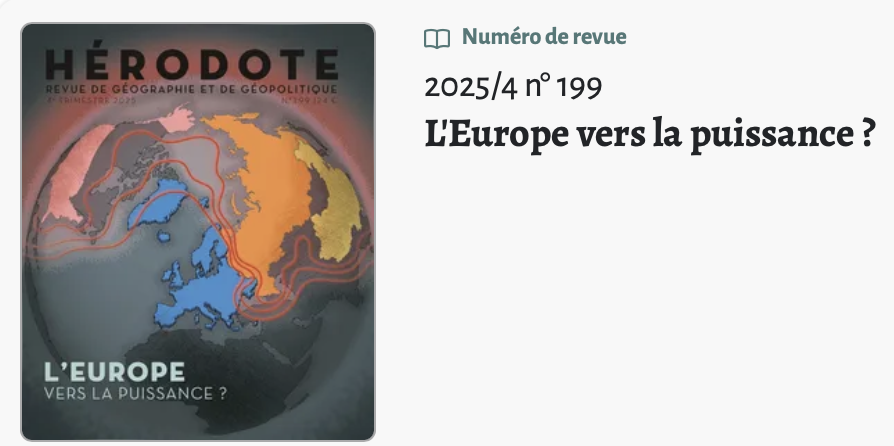
The latest issue of the geography and geopolitics journal Hérodote (2025/4, no. 199) has been published. It addresses the thorny question, « Europe Towards Power? » ClaimSov project members Riccardo Nanni and Francesca Musiani contribute to the issue with the article « Analyzing Digital Sovereignty within the European Union: A Political Economy of Huawei Bans » (in the French…
-
The socio-technical politics of digital sovereignty
Peer-reviewed article publication: Samuele Fratini, 2025, The sociotechnical politics of digital sovereignty: Frictional infrastructures and the alignment of privacy and geopolitics. Big Data & Society, 12(4). In this article, ClaimSov post-doctoral researcher Samuele Fratini advances an approach informed by Science and Technology Studies (STS) to digital sovereignty. He argues that digital sovereignty can be conceptualized as an…
-
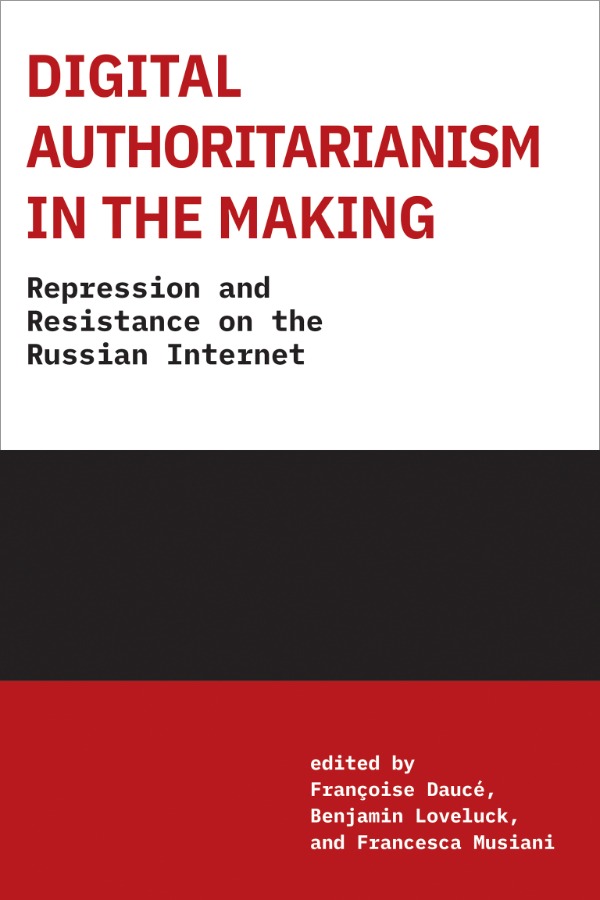
Digital Authoritarianism in the Making
This book, edited by Françoise Daucé (CERCEC-CNRS), Benjamin Loveluck(University of Paris-Panthéon-Assas) and Francesca Musiani (CIS-CNRS), is a revised and expanded English version of the book Genèse d’un autoritarisme numérique published in French (Presses des Mines, 2023). This book is available in open access. How did the authoritarian dynamic that is currently plaguing the Russian internet (Runet) come to dominate a digital space that…
-
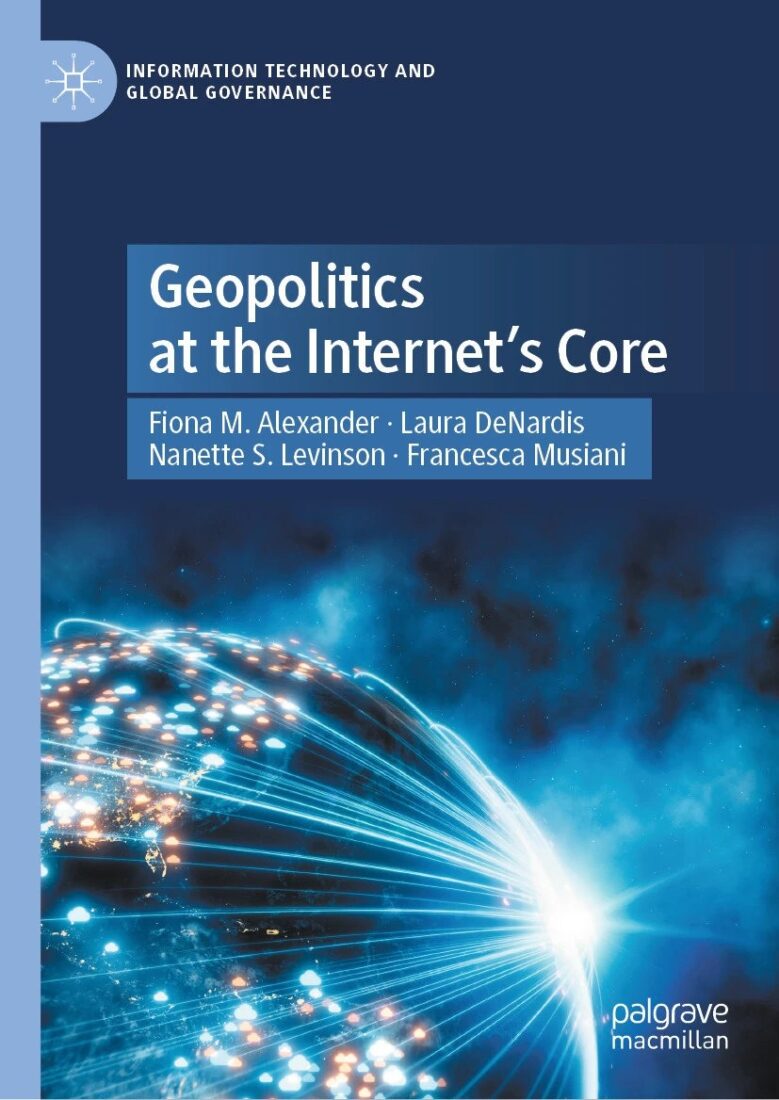
Geopolitics at the Internet’s Core
Book publication by ClaimSov member Francesca Musiani, with Fiona M. Alexander, Laura DeNardis and Nanette S. Levinson (Palgrave-Macmillan, 2025). Contentious geopolitical conflicts over digital technologies have arisen around a complex set of technical specifications at the Internet’s core. One of these is the Internet Protocol (IP), designed for addressing and routing information to its destination.…
-
Unthinking Digital Sovereignty
Special Issue « Unthinking Digital Sovereignty » in Policy & Internet The special issue, published in Policy & Internet in early 2025 and co-edited by Julia Pohle, Mauro Santaniello and Riccardo Nanni, features six articles that seek to “unthink” digital sovereignty by deconstructing and (re)conceiving it from different viewpoints. While some of the issue’s contributions provide much-needed…